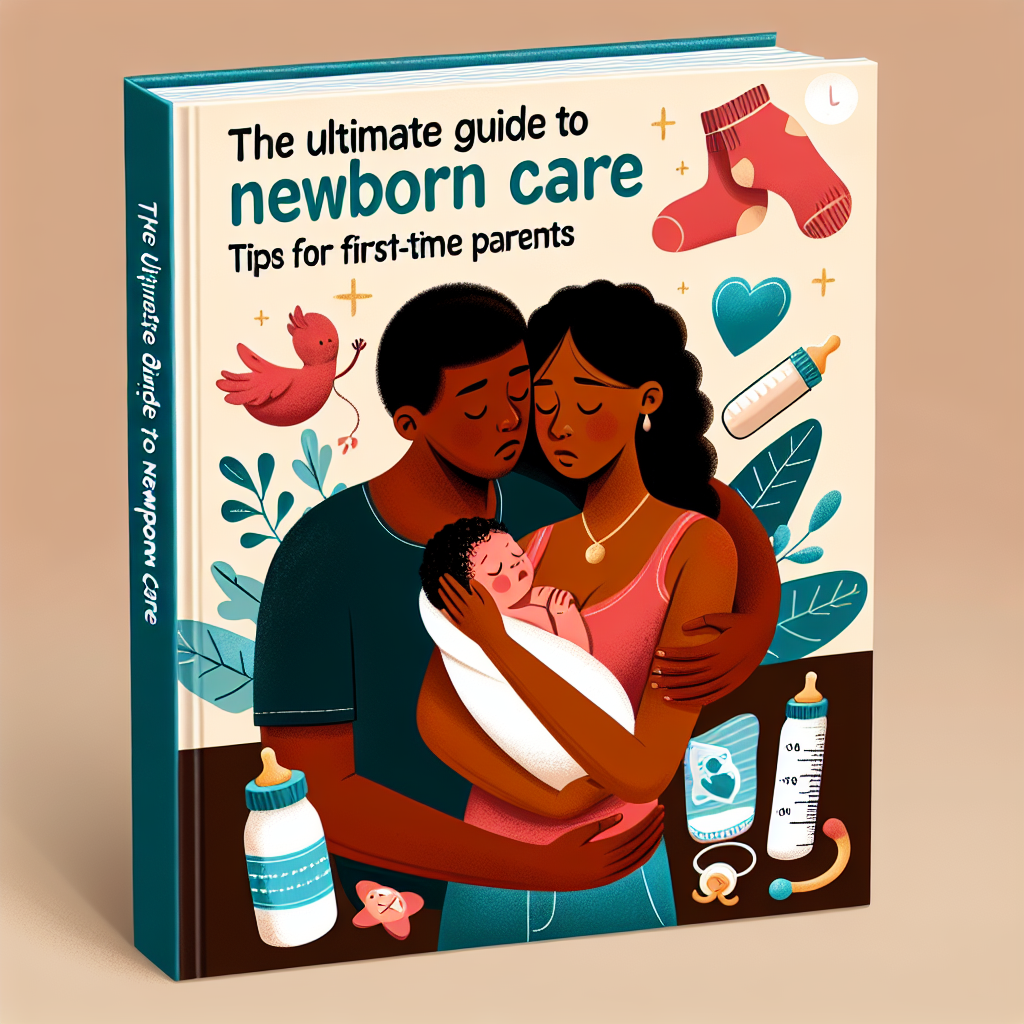
Introduction
Welcoming a newborn into your family is one of the most beautiful and transformative experiences in life. As a first-time parent, the excitement can be overwhelming, but it’s also accompanied by a host of questions and concerns about how to care for your little one. This guide is designed to provide you with essential tips and information to help ease your transition into parenthood, ensuring that you feel confident and prepared to nurture your newborn.
Understanding Your Newborn
Newborns are incredibly fragile and require special attention and care. Here are some key aspects to understand about your newborn:
- Physical Development: Newborns typically weigh between 5.5 to 10 pounds and measure 18 to 22 inches in length. They lose some weight in the first few days but generally regain it by the end of the second week.
- Sleep Patterns: Newborns sleep a lot, around 16 to 18 hours a day, but their sleep is often fragmented. They wake every 2 to 3 hours to feed.
- Communication: Your newborn communicates primarily through crying. As you spend more time with them, you’ll learn to differentiate between their cries for hunger, discomfort, or tiredness.
Essential Newborn Care Tips
Feeding Your Newborn
Feeding is one of the most crucial aspects of newborn care. Here are some tips:
- Breastfeeding: If you choose to breastfeed, aim to do so on demand, which usually means every 2 to 3 hours. Ensure that your baby latches properly to avoid discomfort.
- Formula Feeding: If you’re using formula, follow the instructions for preparation carefully. Most newborns consume about 2 to 3 ounces of formula per feeding.
- Burping: Always burp your newborn after feeding to reduce the chances of gas and discomfort.
Diapering
Diapering can seem daunting at first, but with practice, it becomes second nature:
- Change your newborn’s diaper every 2 to 3 hours or as soon as you notice it’s wet or soiled.
- Use a changing table or a clean, flat surface. Always keep one hand on your baby to prevent falls.
- Clean your newborn’s genital area gently with wipes or a damp cloth, and apply diaper cream if necessary to prevent rashes.
Bathing Your Newborn
Bathing a newborn requires special care:
- Until the umbilical cord stump falls off (usually within the first few weeks), give sponge baths instead of immersion in water.
- Use lukewarm water and mild soap. Always support your baby’s head and neck during the bath.
- Keep bath time short, around 5 to 10 minutes, to prevent your baby from getting cold.
Comforting and Soothing Techniques
Newborns can become fussy or agitated. Here are some soothing techniques:
- Swaddling can help your newborn feel secure. Use a light blanket to snugly wrap them, leaving enough room for their legs to move.
- Gentle rocking or swinging can be calming. You can use a rocking chair or hold your baby in your arms.
- White noise machines or soft lullabies can create a soothing environment.
Health and Safety Considerations
Keeping your newborn healthy and safe is a top priority:
- Schedule regular pediatric check-ups to monitor your baby’s growth and development.
- Keep your newborn’s environment smoke-free and avoid exposing them to sick individuals.
- Always place your baby on their back to sleep to reduce the risk of Sudden Infant Death Syndrome (SIDS).
Conclusion
Caring for your newborn can be overwhelming, especially for first-time parents, but it’s also one of the most rewarding experiences in life. By understanding your baby’s needs and implementing these essential care tips, you’ll be well on your way to providing a loving and nurturing environment for your little one. Remember, it’s okay to ask for help and seek advice from experienced parents and healthcare professionals.
FAQs
1. How often should I feed my newborn?
Newborns typically need to be fed every 2 to 3 hours, whether breastfeeding or formula feeding. Look for hunger cues to guide you.
2. How do I know if my baby is getting enough milk?
Your baby should have at least 6 to 8 wet diapers a day and gain weight steadily after the first week of life.
3. When can I start bathing my newborn?
Until the umbilical cord stump falls off, you should give sponge baths. Once it has healed, you can start bathing your baby in a tub.
4. What should I do if my baby won’t stop crying?
Try different soothing techniques like swaddling, rocking, or using white noise. If your baby continues to cry excessively, consult your pediatrician.
5. Is it normal for my newborn to lose weight?
Yes, it’s normal for newborns to lose about 5 to 10% of their birth weight in the first few days. They should regain it by two weeks old.
Leave a Reply